
Network Installation services in Cambridge
Wi-Fi, structured cabling and fibre for commercial buildings, with CCTV on the same job if you need it. Planned around the building, then tested, labelled and documented before it is handed over.


Wi-Fi systems and installation
Reliable Wi-Fi installation for homes and businesses in Cambridge. We design and fit wireless systems that cover every room, eliminate dead spots, and handle multiple devices without slowing down.
See details
Data and network cabling
Structured data cabling installed to a professional standard for homes and businesses in Cambridge. Cat6 and Cat6a cabling for fast, stable wired connections to desks, servers, and AV equipment.
See details
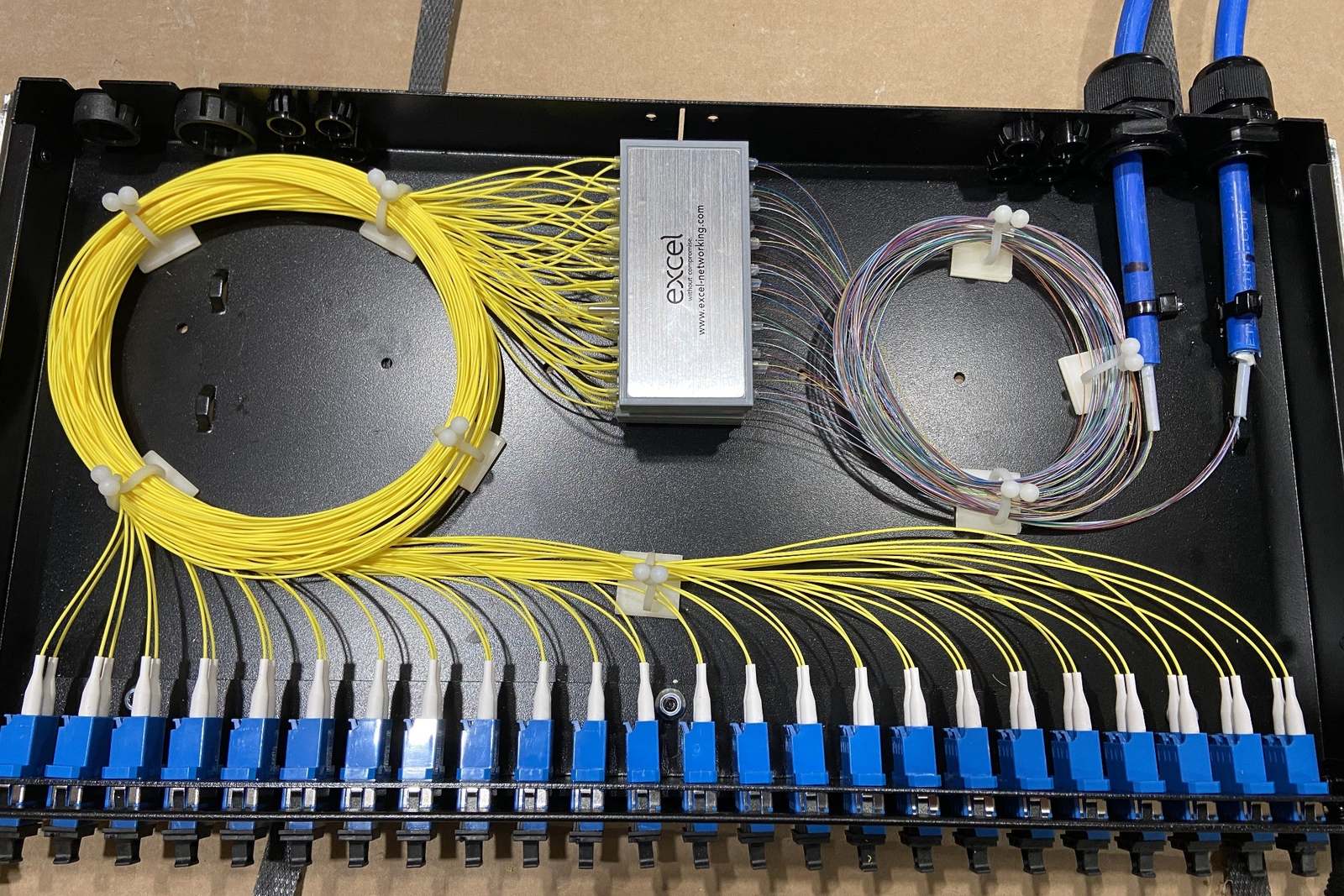
Fibre optic cabling
Fibre optic cabling installed for businesses and larger premises in Cambridge. Ideal for connecting buildings, server rooms, and high-demand networks where copper cabling reaches its limits.
See details
Network Testing, labelling and documentation
Professional network testing, port labelling, and documentation for Cambridge businesses. Know exactly what your cabling infrastructure does and have proof that it performs to the right standard.
See details%22%3E%0A%3Crect%20x%3D%2216%22%20y%3D%2219%22%20width%3D%2236%22%20height%3D%2217%22%20rx%3D%224%22%20fill%3D%22%230B1C2D%22%2F%3E%0A%3Crect%20x%3D%2213%22%20y%3D%2214%22%20width%3D%2243%22%20height%3D%225%22%20rx%3D%222.5%22%20fill%3D%22%2327D3D1%22%2F%3E%0A%3Crect%20x%3D%2251%22%20y%3D%2221%22%20width%3D%228%22%20height%3D%2213%22%20rx%3D%223%22%20fill%3D%22%2327D3D1%22%2F%3E%0A%3Ccircle%20cx%3D%2223%22%20cy%3D%2227.5%22%20r%3D%222.6%22%20fill%3D%22%2327D3D1%22%2F%3E%0A%3C%2Fg%3E%0A%3C%2Fsvg%3E%0A)
Commercial CCTV
Professional CCTV installation for Cambridge businesses, offices, warehouses and retail premises. We design, install and configure camera systems that give you clear, reliable coverage of the areas that matter most.
See details
Point-to-point wireless links
Point-to-point wireless links connect two or more buildings without digging trenches or laying cable underground. We install outdoor wireless bridges across Cambridge and the surrounding villages for businesses, farms and multi-site organisations.
See detailsHow a job runs
From the first call to the handover
Tell us about the site
What the building is, roughly how many people use it, and what is not working. A floor plan helps if you have one.
We look at the building
Walls, ceilings, cable routes and the cabinet, seen before anyone puts a figure on the job.
A free written quote
What goes where, what it costs and what is not included, in writing, so you can compare it properly.
Install, test and hand over
Installed, tested and labelled, then handed over with the documents and a walk-through.
Questions
What people ask before they get a quote
What should I budget for a professional Wi-Fi installation in Cambridge?
What am I likely to pay to have data cabling installed in a small Cambridge office?
How is fibre optic cabling priced compared to standard copper network cabling?
Is it expensive to have an existing network tested and documented?
What should I budget for a commercial CCTV system in Cambridge?
How is a point-to-point wireless link priced?
Will the installers need to run cables through my walls?
What is the difference between Cat5e, Cat6, and Cat6a cabling?
Not sure which you need?
Tell us what the building is and what is not working. We will say what we would do, and put it in a free written quote.